Professional and systematic work by staff, combined with an approach to nutrition for individuals in the social welfare system = ensures the long-term and consistent fulfillment of established standards!
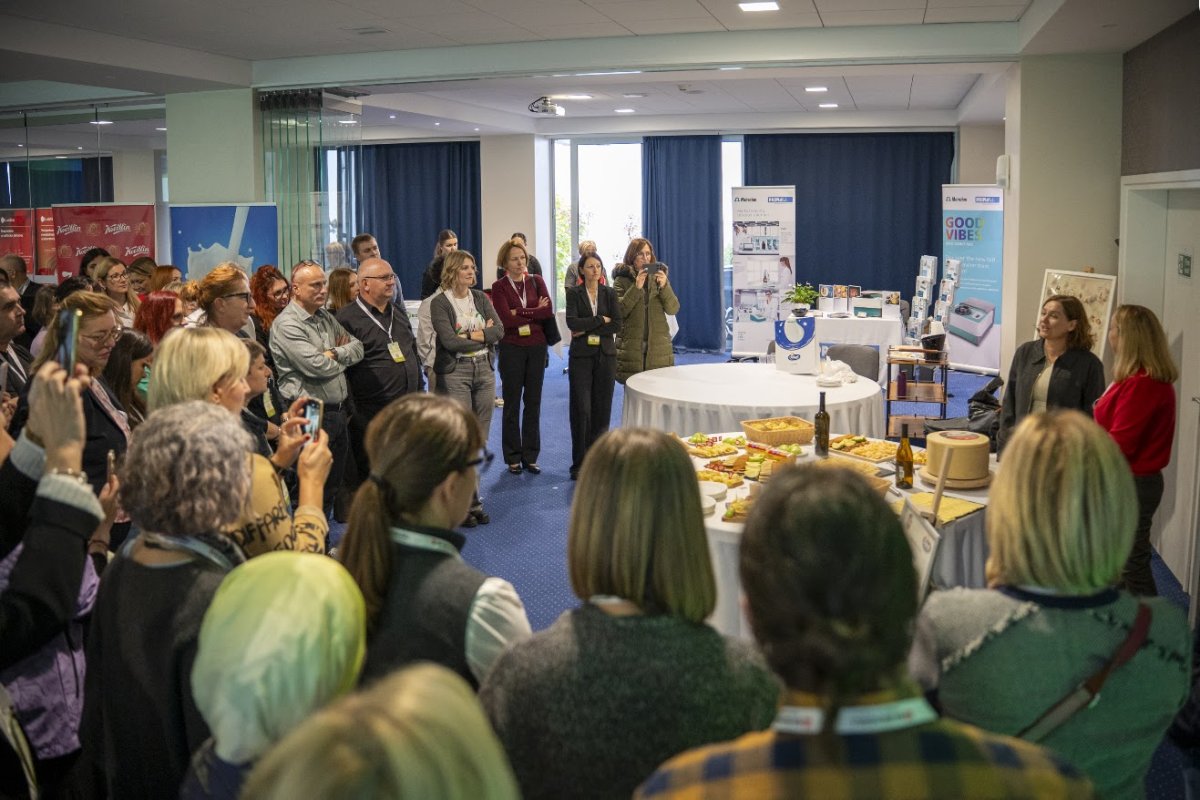
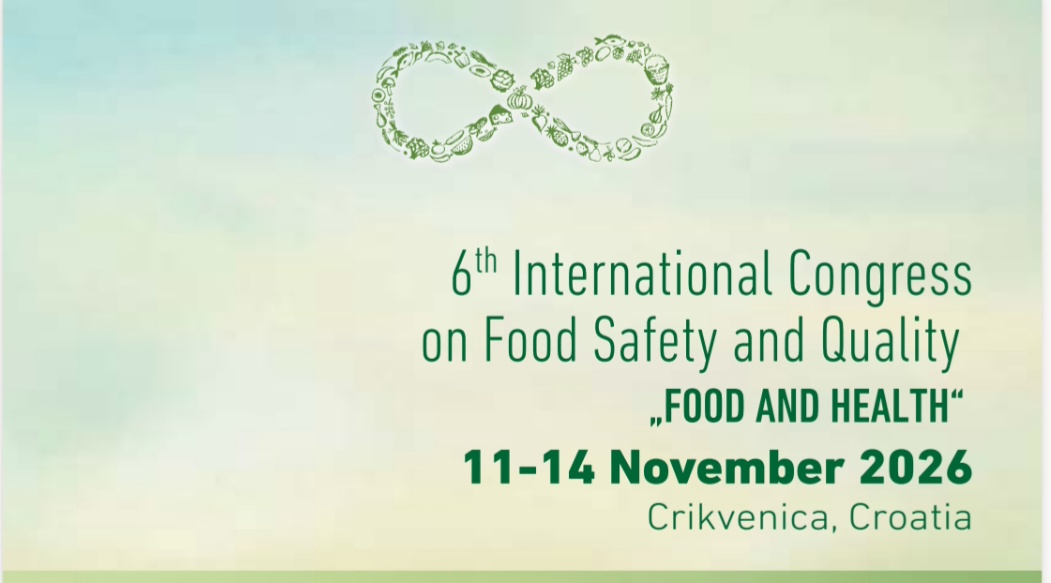
The 6th International Congress on Food Safety and Quality, themed "Food and Health," was held in Crikvenica. For many years, this event has been successfully organized by the "Dr. Andrija Štampar" Teaching Institute of Public Health from Zagreb.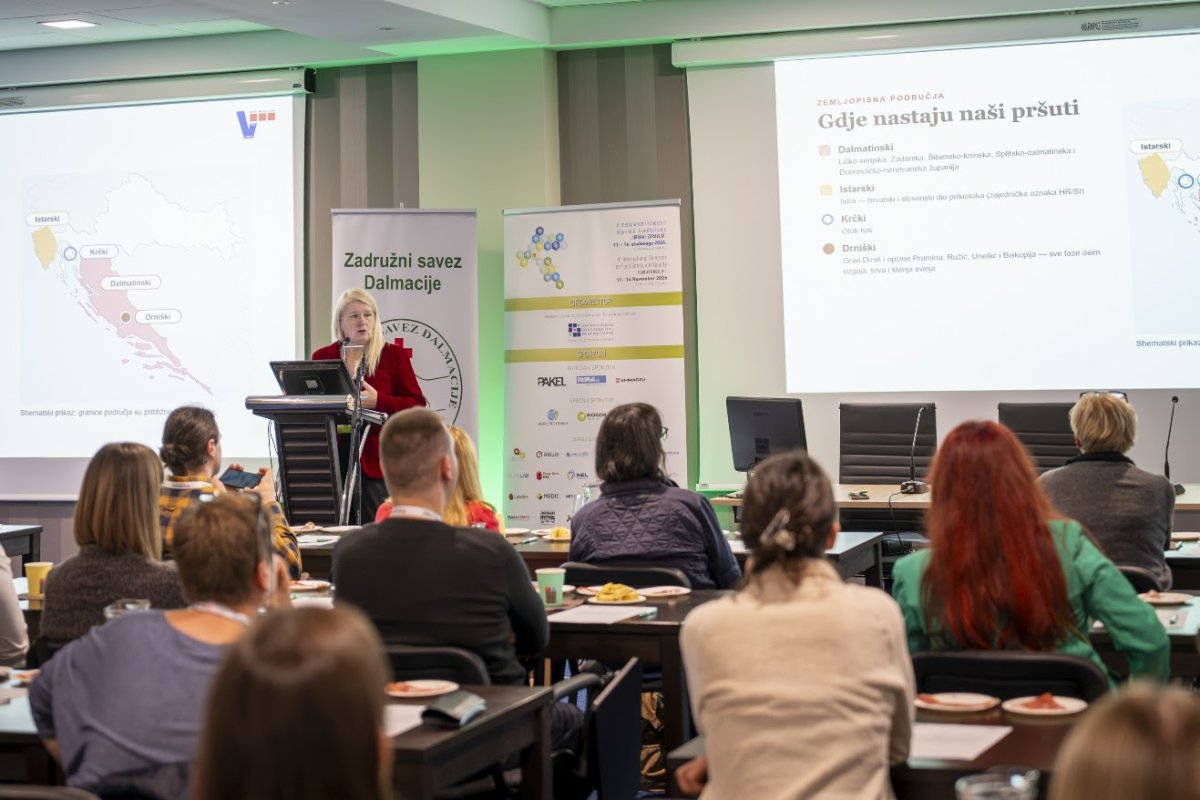
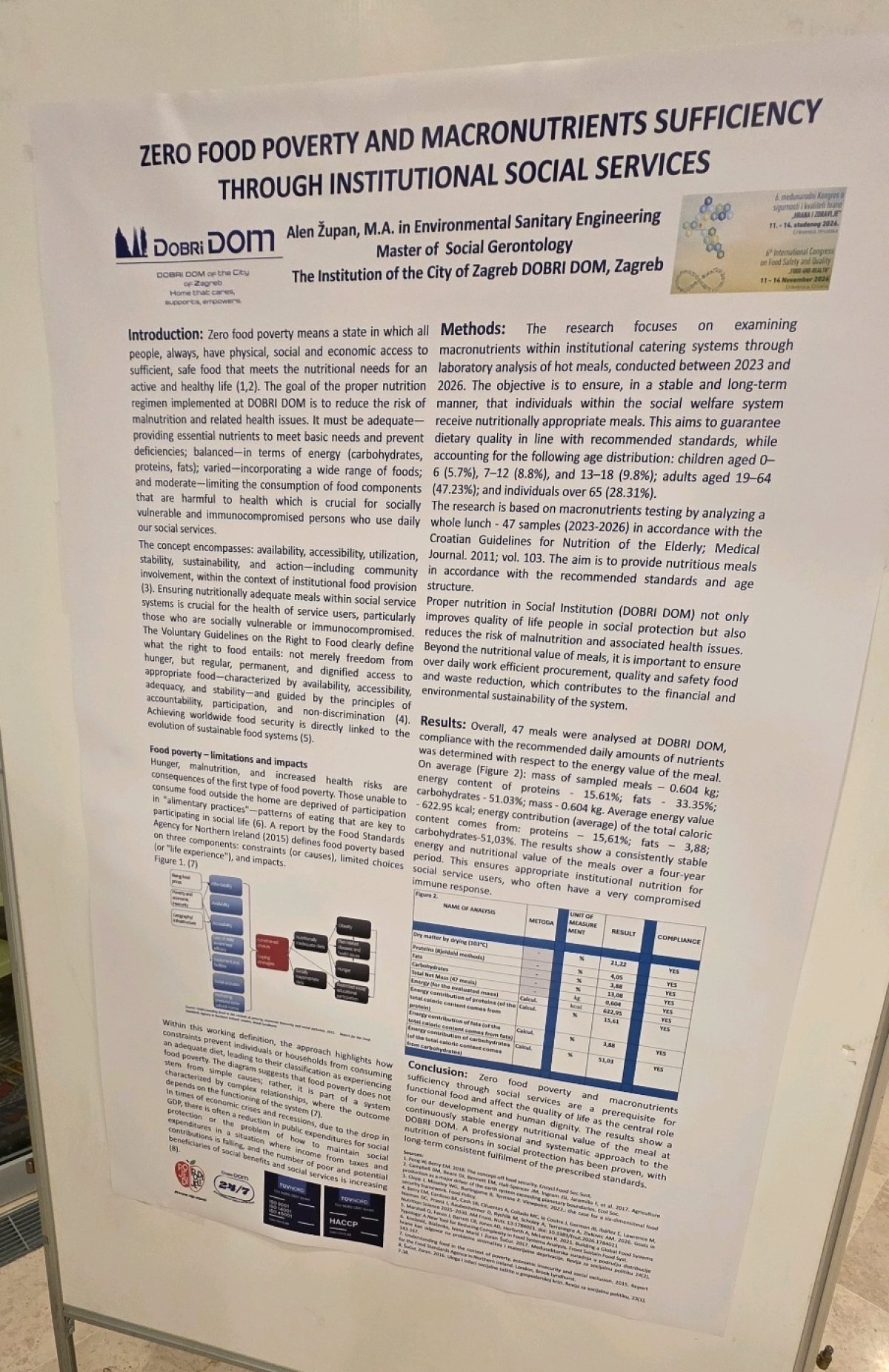
As is now tradition, the institution DOBRI DOM was represented at the congress through a showcase of best practices, presented via the paper: "Zero food poverty and macronutrient sufficiency through institutional social service."
This concept encompasses availability, accessibility, utilization, stability, sustainability, and community engagement—all within the framework of institutional food provision.
Ensuring nutritionally adequate meals within the social services system is crucial for the health of beneficiaries, particularly those who are socially vulnerable or have significantly compromised immune responses.
Guidelines regarding the "right to food" clearly define what this right entails: regular, permanent, and dignified access to food that is safe, affordable, diverse, and stable—all guided by the principles of accountability, participation, and non-discrimination.
Food safety, quality, and nutritional adequacy are a shared responsibility and obligation, regardless of the specific sector. This applies across the entire "farm-to-table" spectrum, supported by scientific evidence and consistently validated daily practices.
Eliminating food poverty and ensuring sufficient macronutrient intake through in-kind social services are prerequisites for functional nutrition; they influence quality of life and serve as vital factors for human development and dignity.
Results indicate that the meals provided by the DOBRI DOM institution maintain a consistently stable energy and nutritional value.
The institution’s workers demonstrate a professional and systematic approach to the nutrition of individuals receiving social welfare, ensuring long-term and consistent compliance with established standards.
The congress focused on contaminants, allergens, microbiological risks, microplastics, and materials that come into contact with food.
Special attention was given to proper nutrition, the role of nutrients and dietary supplements, and the potential for applying new technologies—including artificial intelligence—to enhance the safety and quality of food systems.
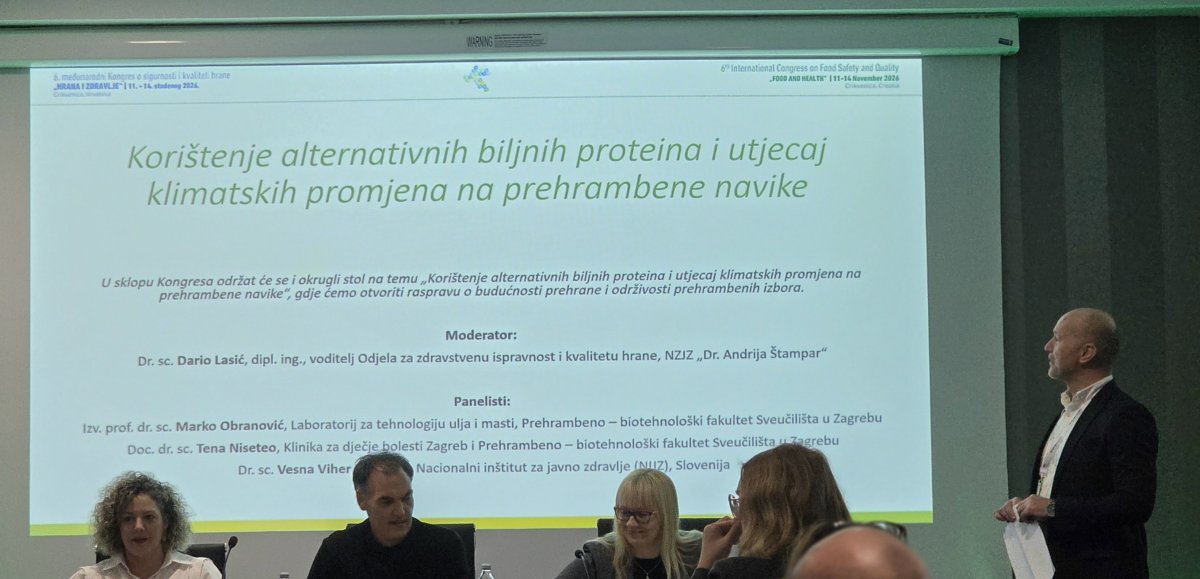
A dedicated panel discussion addressed the use of alternative plant-based proteins and the impact of climate change on dietary habits. The congress was attended by Alen Župan, the institution’s principal.
Image gallery